Gear, rentals, and skate care.
Everything a skater needs for the season: required safety gear, how to rent speed skates, and how to keep your blades in good shape.
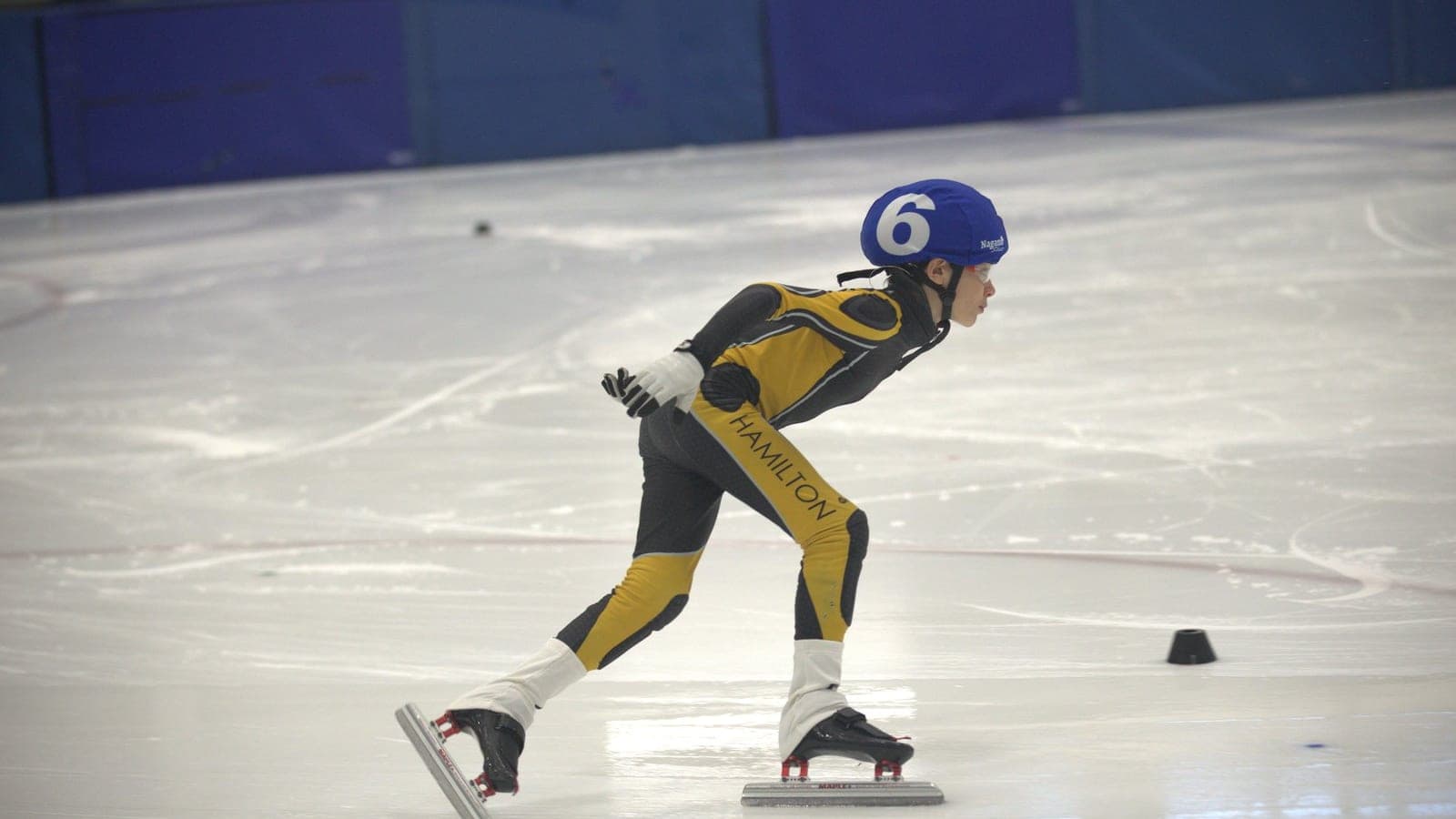
Required equipment
What every skater needs.
All skaters must have the following personal protective equipment.
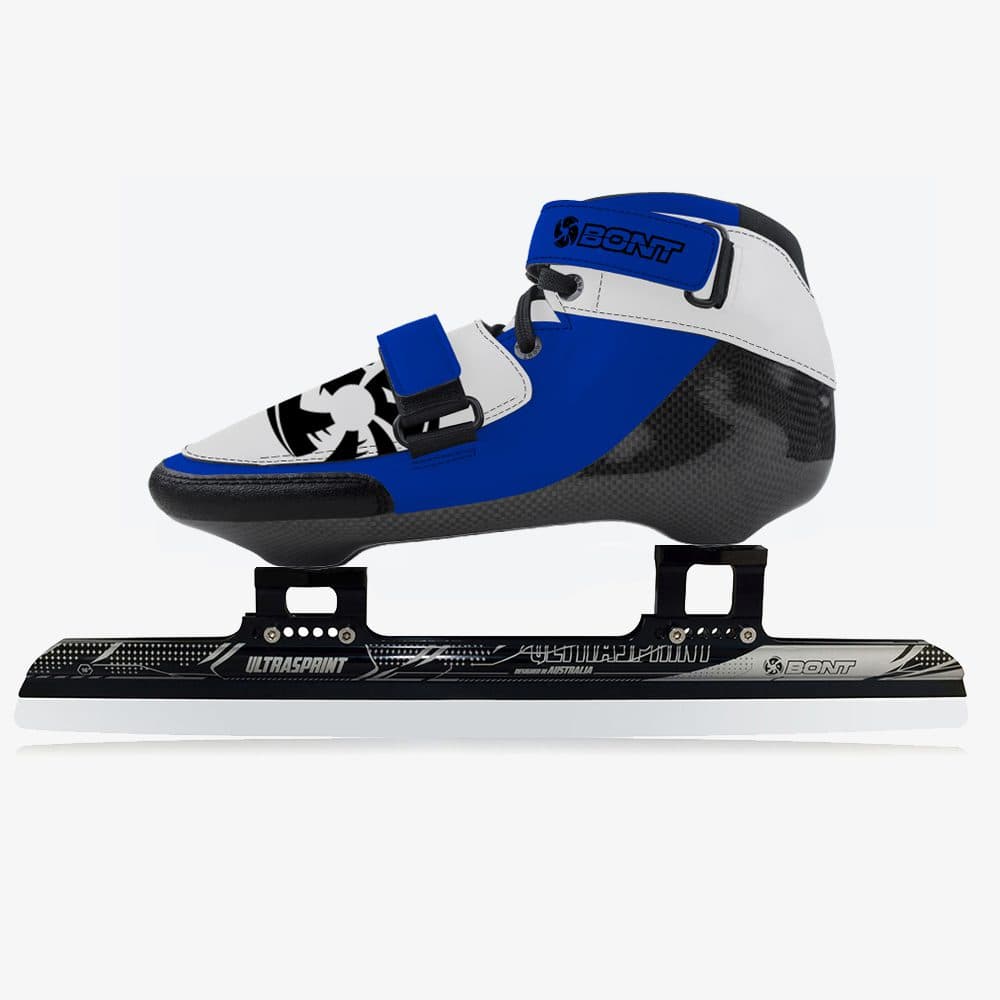
Speed skates
The Club has an extensive stock of speed skates which are available on an affordable rental basis. See Coach Mike.
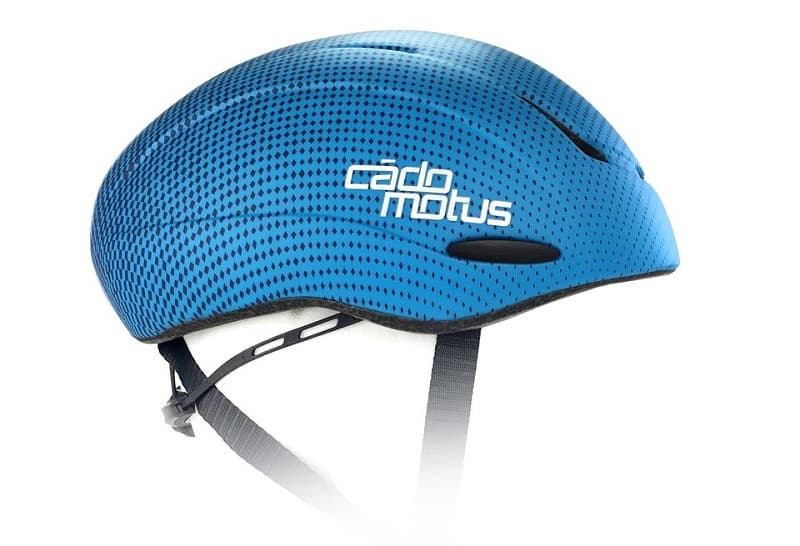
Helmet
A helmet must be worn for all on-ice activities. It must be securely fastened under the chin at all times. At practice, helmets must be ASTM F 1849 certified or CSA approved (hockey, snowboard/ski, or skateboarding helmets only). For all other competitions and activities, helmets must be ASTM F 1849 certified.
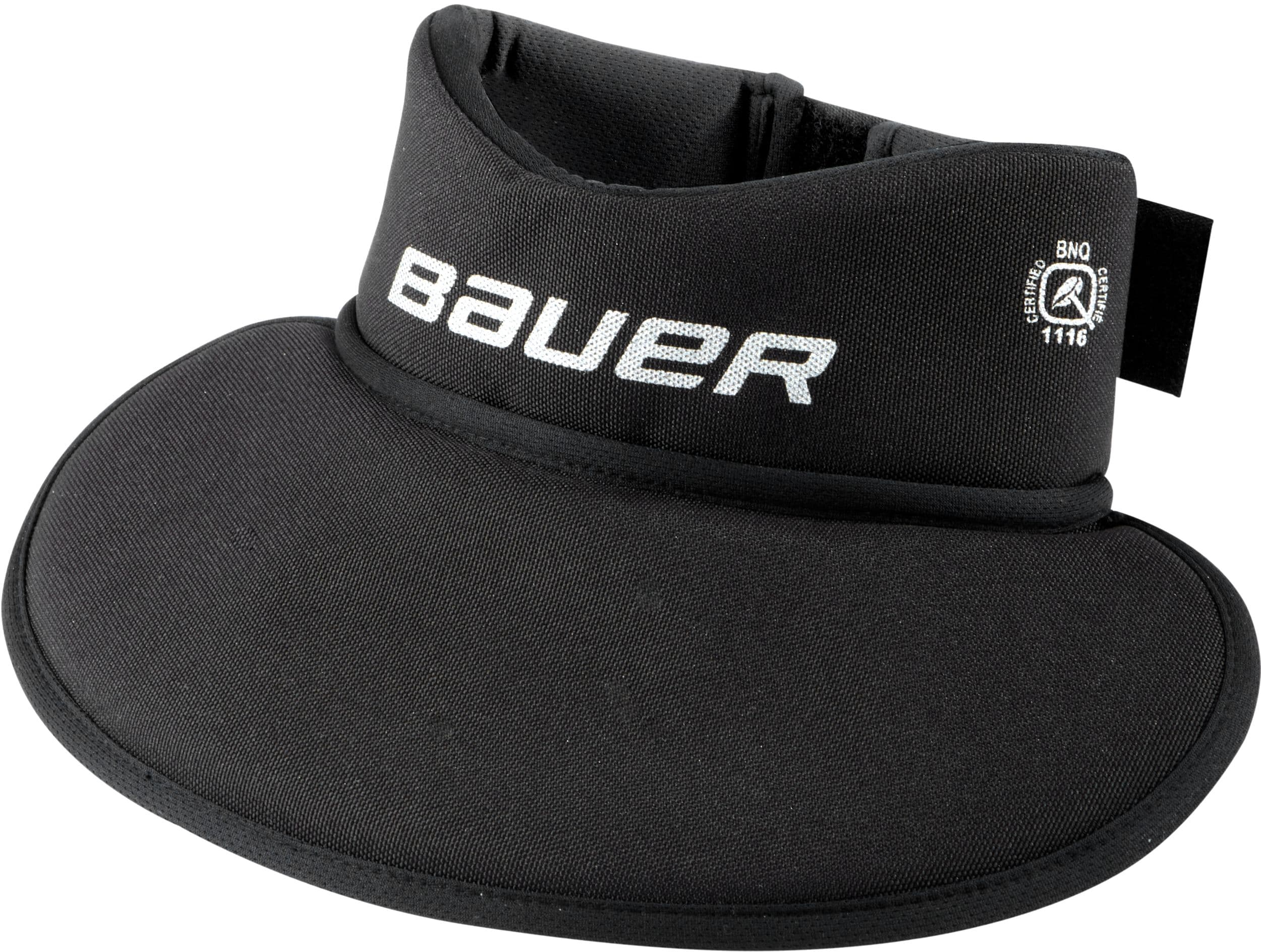
Neck Guard
All skaters must wear neck protection covering the lower half of the full circumference of the neck and covering all soft tissue below the chin to a point extending below a line joining the armpits at the front of the body. Bib style, as worn for hockey (Canadian Tire / Sport Chek).
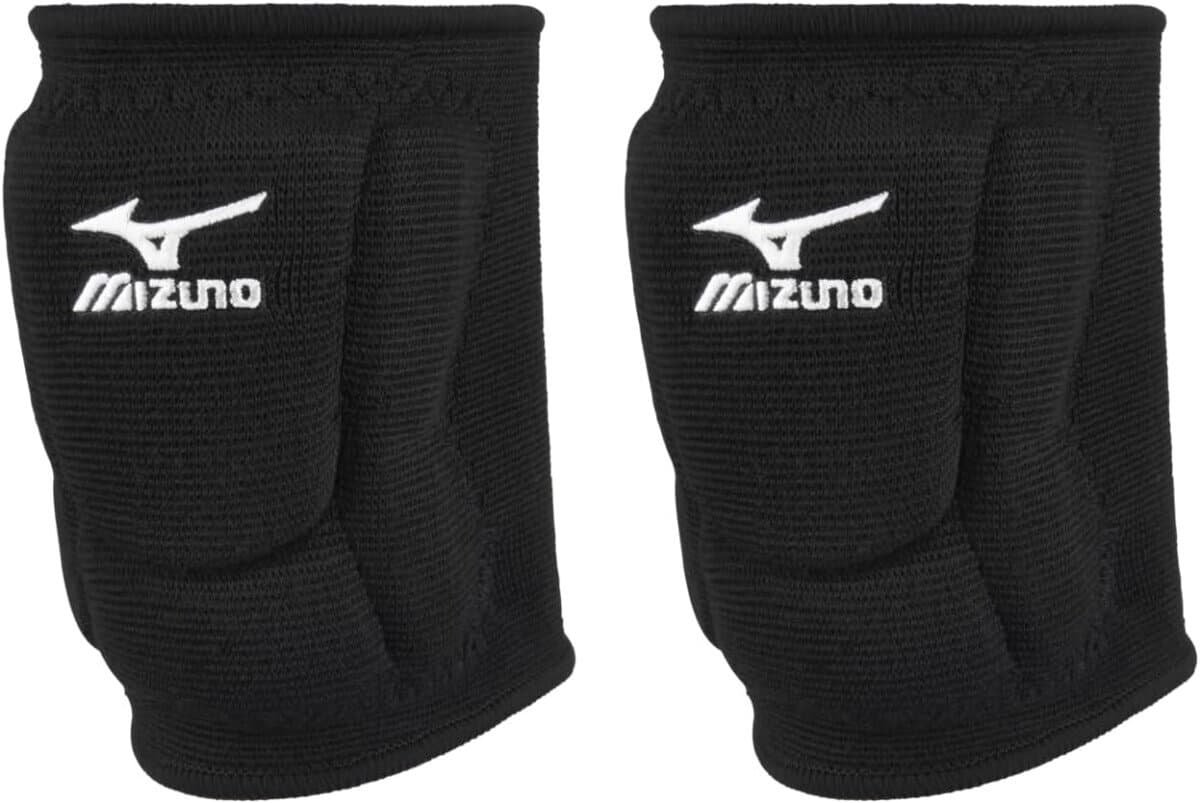
Knee Pads
Soft is best, like the ones worn for volleyball. Highly recommended for protecting your knees if you fall forward.
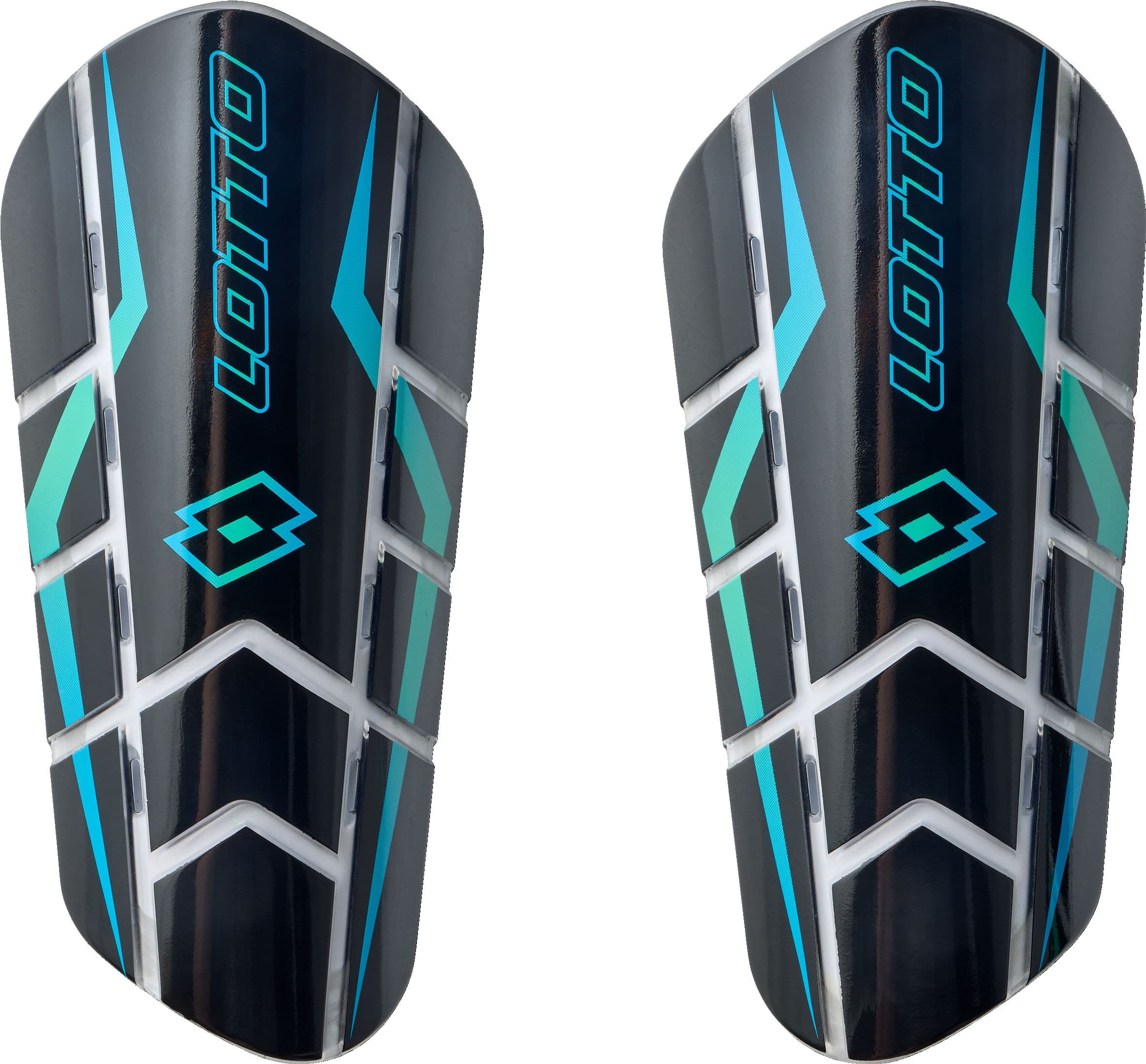
Shin Guards
When wearing long blades, skaters must wear hard plastic or built-in cut and puncture resistant material with some impact energy absorption. Protection may be worn over or under a skater's clothing. Shin guards typically worn for soccer work well.
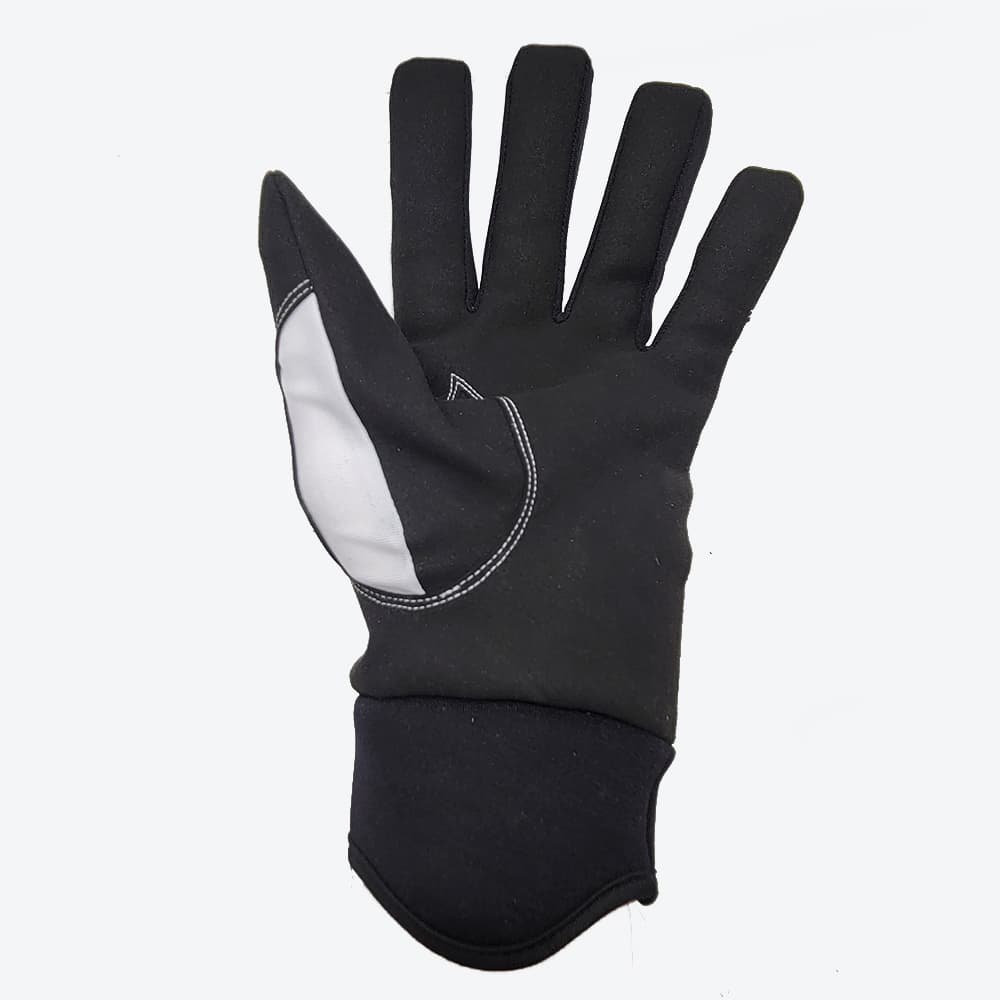
Gloves
For Learn to Skate programs, gloves or mitts must be worn. For any long blade activity, full leather gloves or a synthetic glove (Kevlar) must be worn.
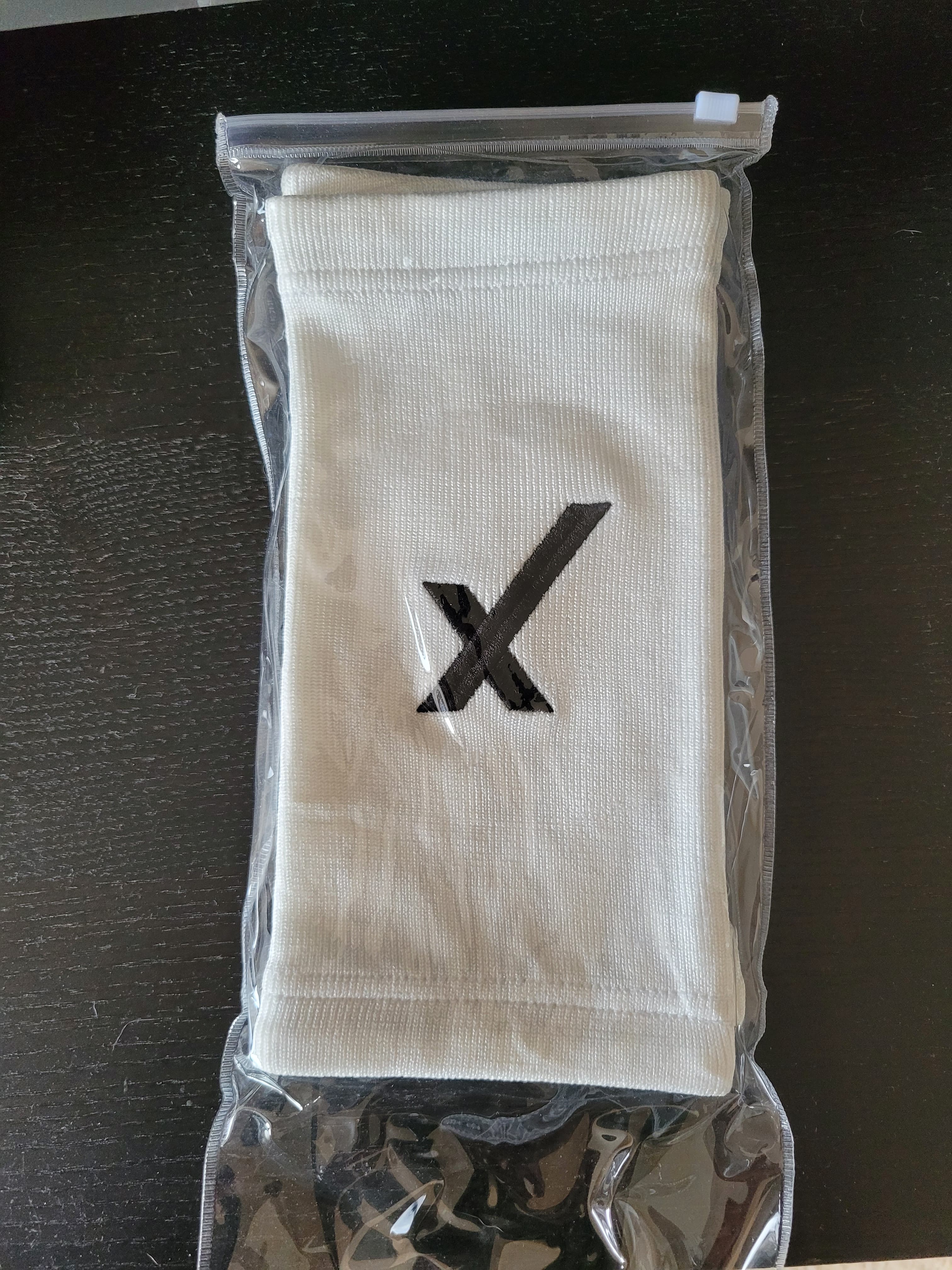
Ankle Protection
When no cut resistant suit is worn, a cut and puncture resistant anklet made of Kevlar or Dyneema must be worn, covering the legs from the tops of the boots to 10 cm above the tops of the boots.
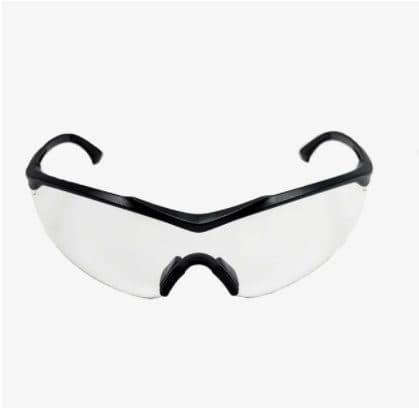
Eye Protection
Shatter-resistant glasses or a complete visor are required for all skaters. All glasses must be held in place by a strap. Squash, racquetball, or safety glasses are commonly used.
Rentals & club sales
Rent speed skates. Buy club-specific gear.
Skate rentals
Speed skates through Coach Mike.
Coach Mike Murray has a large inventory of club speed skates, and rents them for the season to members.
Skate fitting is scheduled after you register and happens before your first practice. You don’t need to track down skates on your own.
Sold by the club
Club-specific gear.
- Kevlar ankle protection
- Certified competition helmet
- Hard skate guards
- HSSC black and yellow skin suits with cut-proof liners
Orders typically happen at the start of the season, with vendors also selling equipment at competitions.
Skate care
Caring for your blades.
Speed skate blades are hand-sharpened, not machine-ground like hockey skates. Keep them dry and sharpened on schedule.
The blades should never be allowed to get dirty or rusty, and the boots should be kept clean and dry. It’s a good idea to keep a rag in your skate bag to wipe off skates and blades after each practice.
Do not store skates with hard guards on: the water gets trapped in the hard guards and rusts the blade. Instead, let the guards and skates dry overnight (you can use skate soakers for the trip home) and then re-attach the hard guard.
Skates generally need to be sharpened every 4 – 6 weeks during the season.
Sharpen skates with Coach Mike. Do not take your skates for sharpening at the local rink or Canadian Tire. Speed skates have very different blades and need hand sharpening.
While walking around the arena off the ice, your hard guards should be on at all times.
Concussion safety
Rowan’s Law.
Rowan’s Law is Ontario’s concussion safety legislation for amateur sport. If you suspect a concussion at practice or a meet, tell the coach right away and follow up with a medical professional. Our Health & Safety page has the full Rowan’s Law details and the Ontario concussion resources every athlete and parent should review.
Buying your own gear
Most safety gear comes from your local sporting-goods store.
Most skaters already own a hockey helmet, which is fine to start. Neck guards, knee pads, and gloves come from a local sporting-goods store. Speed-skating-specific helmets and gloves are worth it once a skater is committed to racing. The equipment manager can help if you’re unsure.
Two club-specific options for members:
Questions about equipment?
Have a look at our FAQ.
Unsure what your skater needs, or where to buy it? Check the FAQ first; if your question isn’t there, email us from the FAQ page.
New to the club? Start on Get Started.